Showing posts with label Ruchi. Show all posts

Saturday, 17 April 2021

Literary Memes

Hello friends,


We are living in the privilege era where everything is in the pocket. During the last several years, funny reality shows and special programmes on jokes were being organized. Now-a-days social media platforms have brought drastic change in the medium of entertainment. Jokes and memes are becoming a daily routine of people’s life. Of course, you may also find some of the elders advising or keeping on instructing not to waste our time on mobile phones and the internet. One might have heard, ‘Be careful, whether you use the internet or Internet uses you!’ But it would be difficult to find a person who is totally unaware of ‘mems'


Rahm Emanuel says, 

"Never let a serious crisis go to waste. And what I mean by that it's an opportunity to do things you think you could not do before." 


Same way, Memes are newer and interesting too to satire and also to laugh. 


This blog contains some interesting memes on literature and upon some particular  literary texts. 


What is a meme and who has coined?


Before You read interesting memes and about the memes, let me make you fresh with two or three memes on literary writing, literature classroom and literature's professor and discussion in classroom as literary person and literary critique sees and interprets each and everything much deeply with totally different lens. But as we know, 'To look differently at particular thing is always looked at differently, derogatory and differently which makes everyone laugh!


The internet meme has become a crucial part of online discourse as a mainstream vehicle for humor. The most popular form of the meme generates humor through the interplay of image and text. This manipulatable template of the text-image dynamic allows for fresh representations of existing tropes of humor. However, the anti-meme, a popular offshoot of the meme, has features that make it function differently.


If you are thinking that jokes and memes are the same let me make you clear on this. There is a slight difference between joke and meme.  A joke has humorous intent,and is not meant to be taken seriously. Meme is a word coined by Dr Richard Dawkins to represent an idea,that spreads from person to person within a culture—conveying a meaning. Generally of life, Meme, culture.


An Internet meme is a viral idea,which modifies as it spreads.Popularly it takes the form of a movie clip or scene with added subtext which has an altered context.


A joke could be a story or a prank or a meme. 

A meme need not be funny. It could be an astounding idea.


Memes on Shakespeare


Memes on Harry Potter


Memes on The Old man and the sea


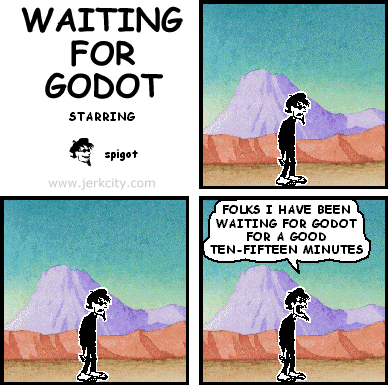
Memes on Waiting for Godot


Memes on Doctor Faustus


Memes on Chetan Bhagat


I would also like to end this blog by adapting line from Shakespeare's Hamlet, 'To be, or not to be- that is the question!'. Because memes are not mere memes but


Read and watch my presentation on 'Feminist reading of Jokes' as a part of my MA sem-2. Click Here:

This paper will help you to read about 'ANTI MEMES'. Click here to read the paper.


Thank You.


Monday, 4 May 2020

Productiveness of reading 'The Plague'

(Effect of epidemic literature)


Hello Fiends,

Has it ever happened that a human being has spoken by keeping something else at the center which is not human? Perhaps we can point out, when present epidemic of Covid-19 will get over we will come to know about very few stories of Corona but there would be more focus on corona warriors. Anugrah Mittal writes ‘CORONA A GIFT TO HUMANITY – Why don’t we see this virus as a Gift for a new humanity?’ Right now our reality is across the globe, fear of death. 

The ordeal of death is rampant in the world. People are quarantined. Why? Does this happening for first time? We must note, humans are ready to live without other human beings by keeping the self-quarantine. This suggests, humans don’t keep humanity at the center, humans are self-centered. Answer requires, Does this really true? Does this happening for the first time? Answer is covered in the line, ‘History repeats itself- right before our eyes’. Are we really doomed to repeat it or something else!

Seeing people dying around is making us to take fight against. Do we forget or ignorant from plague of 20th century? If yes, literature is something essential which keeps it alive. Existentialist Albert Camus' The Plague is a text, widely read across the world. Paresh Vyas has translated this literary text into Gujarati summarization and it had been published into GUJARAT SAMACHAR newspaper in 10 parts. (Perhaps after reading this, you definitely want to read the novel - The Plague  and to know more about it. So use this Professor Barad Sir's link to read Gujarati summarised translation and other worth watching video resources. Click on this blog link to go to Dr. Barad's blog )

Productiveness of reading The Plague 

Need to be surprised if the heart does not melt after reading this free translation into Gujrati and of course English translation! The novel is written into third person narrative and Paresh Vyas has told the very heart of the novel. If this can bring a kind of insight, how would the charm of original be!

PLAGUE or COVID19?

Of course, technically, Coronavirus is not a plague. Strictly speaking, plague comes from a bacterium not a virus. But the archetype is the thing. Plague is deeply ingrained in our psyche and will Covid19 too. It is an invisible, inexorable enemy. It strikes in the night and the innocent suffer as much as the guilty.

If someone asks, what do you say, I just spoke only very next moment after completing this reading that Surprise if the question of existence does not make you discomfort because what passes is really passed in the true sense? If it passes, where it goes as everything affects everyone, then how can anything go by! Every event that takes shape in the world touches our life, transforms life into a new phase.


After the plague in the 20th century, the normal life of the people would have been normal in real sense? If not, How can it be accepted that the life after this Covid-19 will be the same as before life?

Now let's have a look on a brief article in Gujrati about effect of epidemic literature.


PLAGUE અને COVID19
માનવતા: માનવકેન્દ્રી કે માનવ ત્યાગ?

Albert camus ની The Plague વાંચતા જાણે કે ભૂતકાળ નહી પણ વર્તમાન વાંચી રહ્યા રહ્યા હોય એવું લાગે. નર્યો વર્તમાન.  શું ફેર પડે છે માનવીને કોરોના થયો હોય કે પ્લેગ! માનવી પીડાય છે, પીડા માંથી ભાગી છૂટવા માટે, અંદરનાં સળિયાને તોડવા માટે અને છતાંય ભાગીને કશે જ જઈ શકે એમ નથી કારણકે ત્યાગથી પણ કશું જ નહી મળતા છેવટે મળે છે નિરાશા. નિરાશાના એવા વાદળો ઘેરી વળે કે અંત એ અંત નહી એક કારમી શરૂઆત છે, એવી શરૂઆત કે માણસને માણસથી ભાગી છૂટવું છે – એક સમય એવો પણ આવે છે આવી મહામારી નાં ભાગે કે  ભાગી છૂટવામાં સફળ પણ થઇ જાય છે પણ અંતે તો એ ભાગીને પણ નથી રહી શકતો અને ફરીથી આ જ ચક્ર માં દોડી જાય છે. કાળક્રમે બનતી રહેતી આ મહામારી અસ્તિત્વને કાંકરી ચાળો કરતી હોય એવું લાગે પણ ખરી રીતે જોવા જઈએ તો ફરી એક વાર અસ્તિત્વના પ્રશ્ન ને ફરી એક વાર ઢંઢોળી જાય છે. લોકો તો પીડાય જ છે, જે પીડાથી નથી પીડાતા એ પીડાના હાવથી પીડાય છે બાકી પીડા તો છે જ! સંઘર્ષ સાથે પણ અને સંઘર્ષ વગર પણ! જોત-જોતામાં ક્યારે આપણે નેગેટીવ શબ્દ માં ખુશી શોધતા થઇ ગયા એ આપણ ને ખબર જ ન રહી. બસ જીવવાનું છે એ વાત પર વિચાર કર્યા વગર કે જીવન શું છે!!

સમુદાય માં રહેવા માટે ટેવાયેલો, કદાચ તો બંધાયેલો માનવી હમેશાં માનવતાના કલ્યાણ માટે જ બધું કરતો આવ્યો છે એવું ઇતિહાસ નોંધે છે. કાળક્રમે પરિસ્થિતિનું નિર્માણ એવું થયું કે એક પછી એક મહામારી આ પૃથ્વી પર અવતરતી રહી. મનુષ્યનો કદાચ તો માનવતાનો મુખ્ય આશય જ સંઘર્ષ છે એટલે પરિણામ સ્વરૂપે તો માનવી આ દરેકની સામે લડ્યો અને આખરે જીત્યો પણ ખરો. હા, જીતને જીતનાર વર્ણવે ત્યારે જીત પણ એક તરફી બની જતી હોય છે એ વાતને સહજતાથી સ્વીકારવી અઘરી પડે. પણ મનુષ્ય લડે જ. ક્યાં, કોની સામે, કોની માટે, કોના કારણે કશી જ ખબર નહી, પણ લડે. ટકી રહેવા માટે. અને જરૂર પડ્યે પોતાને કેન્દ્રમાં રાખીને લડનાર ક્યારે સ્વકેન્દ્રિત બની જાય એ કહેવું કપરું છે. કદાચ એટલું બધું કપરું કે માનવતાને કેન્દ્રમાં રાખીને ચાલનાર તમામ માનવીને મતે આવી મહામારીમાં રહેવા ભય અને આશંકાઓ થી પાર પડી રહેવાનું તાદામ્ય જાણે કે અલગ જ રીતે તરી આવે. આ તાદામ્યને ઇતિહાસ નોંધે છે અને સાહિત્ય જાળવી રાખે છે. એક અલગ જ સ્વરૂપ માં!


"Difficulty," perhaps, is not the right word, 'discomfort" would come nearer.

-The Plague (Albert Camus)

વાંચન વધુને વધુ સહાય કરે છે પણ વાંચનારને અને નવું સ્વીકારનાર ને. પોતાની જડતા પકડી ને બેસી રહેનાર કદાચ ક્યારેય કશું નવું શીખી ન શકે અને કદાચ આ જ કારણ છે કે સાહિત્ય ચાહે કેટલું પણ શીખવવાની, આમ તો શીખવવાની નહી પણ પડદો ઉપાડવાની અને દેખાડવાની કોશિશ કરી લે પણ આખરી નિર્ણય તો માનવીનો જ ને!

વિશાળે જગ વિસ્તરે નથી એક જ માનવી;
પશુ છે, પંખી છે ને વનોને આ વનસ્પતિ!

ઉમાશંકર જોષી નાં આ શબ્દોનું વાંચન કેટલું પણ રોમાંચ ઉપજાવી લે, મનુષ્ય સ્વ-કેન્દ્રિત તો થઇ જ જાય. અને એમાં ખોટું પણ શું છે. દરેકને અધિકાર છે પોતાના અસ્તિત્વને ટકાવી રાખવાનો અને પોતાના અસ્તિત્વ માટે જ્જુમવાનો! પંરંતુ પ્રશ્ન ત્યારે પેદા થાય જયારે માનવી પોતાના ભયથી ભાગવા લાગે. જે વસ્તુઓ સહજ છે એ આશ્ચર્ય પમાડવા લાગે. સાહિત્ય તો અરીસો છે, એવો અરીસો કે આંખ સામે દરિયો છે. આંખથી વાંચવાની જરૂર છે. નવાઈ લાગી ને કે આંખ સિવાય તો વાંચી કઈ રીતે શકાય? કેલક મુર્ખાઓ આંખમાં પાણી અડાડીને આ દરિયાને વાંચવાની ભૂલો કરે છે. હવે તમે જ વિચારો કે હવે સાહિત્ય ખારું ન લાગે તો થાય પણ શું!?

વર્ષો પેલા પ્લેગે મહામારી મચાવેલી. માનવીએ માનવતા પરથી વિશ્વાસ ગુમાવી દીધેલો, છતાંય માનવતાએ જ માનવીને તારેલી. ખરેખર અચરજ પમાડે અને છતાંય અચરજનો કશો જ અર્થ નહી એવી વાસ્તવિકતાનું શબ્દ ચિત્ર એટલે  Albert Camus ની The Plague. માનવતાનાં કપરા અર્થને આ નવલકથા એક પ્રશ્નાર્થની પાછળ મૂકી દે એવી વાસ્તવિકતાનું નિરૂપણ કર્યું છે. માણસને જે સતત કરવાની ઈચ્છા હોય એ કરવાની ખરી તક મળે ત્યાં સુધીમાં માણસનો વિચાર કેમ ફરી જાય છે એ વાતને અસ્તિત્વવાદ સુધી લઇ જઈને જો વાચકના રોમ રોમ બેઠા ન કરી નાખે તો જ નવાઈ. પણ કહેવાય છે ને પ્રકૃતિના તત્વોનો જ એક ભાગ છે આ મનુષ્ય. પોતાને કેન્દ્રમાં રાખીને જીવનારો મનુષ્ય સમય આવ્યે બલિદાન દેવા તત્પર થઇ જાય છે સ્વયં મનુષ્યનું જ, મનુષ્યના જતન માટે! અસ્તિત્વવાદ નો જેને અદ્વિતીય નમુનો કહી શકાય એવી આ નવલકથા આ વર્તમાન સમયને જ જાણે કે વર્ણવી રહી છે એવું ન લાગે તો જ વિચારને અવકાશ! મહદઅંશે તો અંત ભવિષ્યની આગાહી પણ કરી ગઈ.

અંતે કશો જ ફર્ક નહી પડવાને કારણે શું ફરક પડે એ વાત નું બેનમુન ચિત્ર આપણી આંખ સામે રજુ કર્યું. કદાચ એટલે જ કહેવાય છે કે સાહિત્યકારો સમયને સમજીને સમયથી પહેલા વર્તમાન સમયમાં જીવતા હોય છે. The Plague  વાંચતાની સાથે જ જાણે થઇ આવ્યું કે પ્રવર્તમાન પરિસ્થિતિનો આટલો કોહરામ ખરેખર કશું જ નવીનતા ભર્યું નથી. કોરોના નાં શરૂઆતના સમયગાળા માં લાગેલું કે અન્ય મહામારીઓની સાપેક્ષે આ ખુબ ભોળા પ્રમાણમાં છે પણ નાં, સરવાળે તો સરખું જ. આપણે કશાય નવા યુગમાં નહી પણ એક નિશ્ચિત કરાયેલ ગડી વાળું જીવન જીવી રહ્યા છીએ અને પણ એટલા માટે કે જીવવું પડે એમ છે!   

- રૂચિ જોશી


Whatever human is doing or not, brings core to the existence. Thus in brief, the human being is obliged to make himself what he is, and has to be what he is.

By the exploration of plague Albert Camus uncovers ancestral fear of human towards infectious diseases. Don’t we know, crucification is always necessary!

While reading the first time we might feel can we read present? Yes, but in another manner. . Probably the main purpose of humanity is struggle so human fights and as a result, wins too. Of course, it is difficult to accept the fact that that when the winner describes the victory, the victory also becomes pro. Worthy to note is, human beings fight! Against whom, for whom, because of whom no one knows, but fights! Just to survive.

Hunger can be dreadful, but it can also trigger you to action.

Covid19 and Plague, too, is both dreadful but it  also brings change. The Black Death brought dramatic shifts in mediaeval society. Plague has also inspired classic literature. It’s interesting, now that we are ourselves suffering, to realise how much more pungent that curse must have seemed to an earlier!


Unlike stereotypes, though, they are rarely simplistic and have both positive and negative sides.  For example, A hero can be heroic, but also violent – strong but also unthinking like Othello!!

Though these have often been easy to sideline. It was tempting, for some, even to find a moral dimension. To conclude that somehow the sufferers brought the plague upon themselves just as Covid19.

Thank you.


References:


Camus, Albert, and Stuart Gilbert. The Plague: Albert Camus. London: Hamish Hamilton, 1948. Print.


Judt, Tony. “A Hero for Our Times.” The Guardian, Guardian News and Media, 17 Nov. 2001, www.theguardian.com/books/2001/nov/17/albertcamus.

Vulliamy, Ed. “Albert Camus' The Plague: a Story for Our, and All, Times | Ed Vulliamy.” The Guardian, Guardian News and Media, 5 Jan. 2015, www.theguardian.com/books/booksblog/2015/jan/05/albert-camus-the-plague-fascist-death-ed-vulliamy. 

“A Plague on Both Your Houses :” Charles Harris Author, 28 Mar. 2020, charles-harris.co.uk/2020/03/a-plague-on-both-your-houses/.

ગોસ્વામી રાજ. “કોરોના પછીની દુનિયા: એકહથ્થુ જાપ્તો કે નાગરિક સશક્તિકરણ .” સંદેશ, સંસ્કારપૂર્તિ, 5 Apr. 2020.


Tuesday, 21 January 2020

Deconstructive reading of advertisement

अब वक़्त हैं पहेचान बनाने का.

Hello Friends,
Reading between the lines, This is what well flourished and famous quote around us. Everyone hints us that if you really want to absorb the  meaning of the text or anything, you should focus upon reading which is not written or said. What is this actually? Does it really possible to pick out which is absent? The answer is very simple that only telling lies is not untrue, but concealing the truth is a big lie. What I mean to say is, If we always perceive with the eye what is privileged then where does the absence go? Thus,
Deconstruction is also nothing but the inquiry of concealing truth.

If I say, here I am trying to deconstruct women’s place in society, even Derrida himself might get angry on me because any ordinary person might think that probably I am describing something which is all-about theoretical but let me be very clear that of course it is theoretical and near to impossible to apply it in  practical. Derrida’s theory of deconstruction is never about breaking the foundation but it’s all about inquiring into the foundation.  Thus, 
back-bone of deconstruction is, 
“How we see is, what we see.”

Now-a-days we are listening that gender inequality is almost abolished. Women are reaching to the stars, women have showed their excellence and power beyond men, too. Does it really true? We should not forget that women are still struggling and suffering as it is! No doubt, in this very present time it is very difficult to see that women are marginalized and diminished. Perhaps you may answer that it’s just because of patriarchal society. But how we forget that it’s not only society which is patriarchal but construction of people is even patriarchal and that’s why everything which should be opposed, is taken for granted even by women.

Society depends upon both man and woman, but man’s work is to be seen as superior or hard work, while what woman does? Nothing! Who works in house is doing nothing because household work does not lead to any financial security or also not bring even social reputation. Without any conviction, women have accepted that household work is their work and it should be done by them only.  In this 21st century, known as modern era where women are also equally participating as man but they are forced to maintain both household work and outside work too. 

अब वक़्त हैं पहेचान बनाने का.


Let’s try to put this arguments valid with the support of Derrida’s theory of deconstruction.


To see how women are constantly used to constructed in society, let’s have a look on one advertisement अब वक़्त हैं पहेचान बनाने का.


Before starting to hammer into the basement of this advertisement, It is worthy to make sure that language doesn’t just reflect or record the word rather it shapes. So, my reading of this advertisement will certainly against itself, will produces a sense of disunity, of a advertisement engaged in a civil war with itself.  This advertisement is to be seen as women centric. It shows that women are also getting chance to have their own jobs, are also having opportunities to make their own identity in this world.  

But as Derrida says, 
“Language bears within itself the necessity of its own critique.” 
This leads us actually sums up the inquiry into the foundation.

Structural reading of this advertisement brings us idea that women are growing and progressing with the time, See! Husband is also not having any kind of issue or difficulty or not having problem too with his wife’s own identity in this society. It is entirely surface reading!


When we say husband allows her wife to work outside or to create her own identity, it itself problematic. ‘Women are allowed’ means women are still somewhere inferior and that’s why some counted freedom are given to them and they should be obey too! This is covered narrative which can be only seen with the theory of deconstruction.


It was necessary to begin thinking that there was no center, that the center could not be thought in the form of a present being, that the center had no natural site, that is was not a fixed focus but a function, a sort of nonlocals in which an infinite number of sign-substitutions came into play.

-Jacues Derrida

Now, if we try to get inquiry into this advertisement it will unfold in front of us as ‘Public notice of sale’.  Covered narrative of this says, “Women are free to concede their excellences but their prime duty of household work it must be completed! One of the interesting structure is also unfolding to us is that women’s substantial object is always cleaning! 
Derrida says, 
‘The centre is not the centre. The centre is paradoxically within the structure and outside it means…. has its centre elsewhere.’

Let’s try to identify language trap and then falls into it.


When wife says “Bartan to ho gaye” audience also feel kind of relaxation that work is done. And “MAtlab abhi waqt hain”  binds our understanding that women are allowed to work if they find extra time. Think Yourself: What does narrative of this line wants to convey us through the extra time? It seems that it’s not advertisement of VIM BAR but it shows that women should complete their household work within rest of time.  Friends, it’s all just because words are always contaminated by their opposites. 

Deconstructive reading of this advertisement aim to produce disunity, to show that what had looked like unity and coherence actually contains contradictions and conflicts which society cannot stabilize and contain.


At the very end of the advertisement wife is having her own cake-bakery, but women are bound and that’s why women audience feel sympathized too. Another covered narrative is also that women are advised to work household works and she is also earning but her earning is also only from making cake means kitchen is something which is perfect place for women. Even we are also not having any kind of difficulty while watching these kinds of adds while watching TV serial or movies or cinema. Question is not that women have accepted this, but question is that women are not even aware of that they are marginalized and they are in need to raise their voice too.   


This advertisement is highly man centric rather than women centric. How? Throughout the whole advertisement utensils are much focused.  Even when Divya(wife) menaging her bakery, her husband is behind her.  Deconstruction reading certainly punch here that women are supposed to have support of their husband or of any male if they want to independent or to fulfill their dream.  Veneer level may say, wife does not need to be worry as they are doing household works because their husband will help them to come out of it. Very trivial but fundamental question is that why women are supposed to need have help of women? Why they have to carry out household work?


Look, how man centric society gets supportive back day by day even through media. What is served to us is not as much important as how narratives are served to us. 

Thus, advertisement follows the tendency to repress or neglect women as Derrida calls Phonocentricism is a manifestation of loogocentricism, to privilege presence over absence, here women are not absent but always in the periphery yet not realized because of patriarchal structure itself.


Now, certainly it would be clear that women are free, but in their boundries! Because what we connects with visualization of this is convention and convention is always social which notion is dismantled by Derrida.


Thank You.